Your cart
Your cart is empty
Continue shopping
Drawer menu
Buying Guides
An outdoor prep cart can add work surface, storage, and a compact wash station to a patio, trailer, mobile setup, or outdoor kitchen. Choose one around how often it will move, where water and...
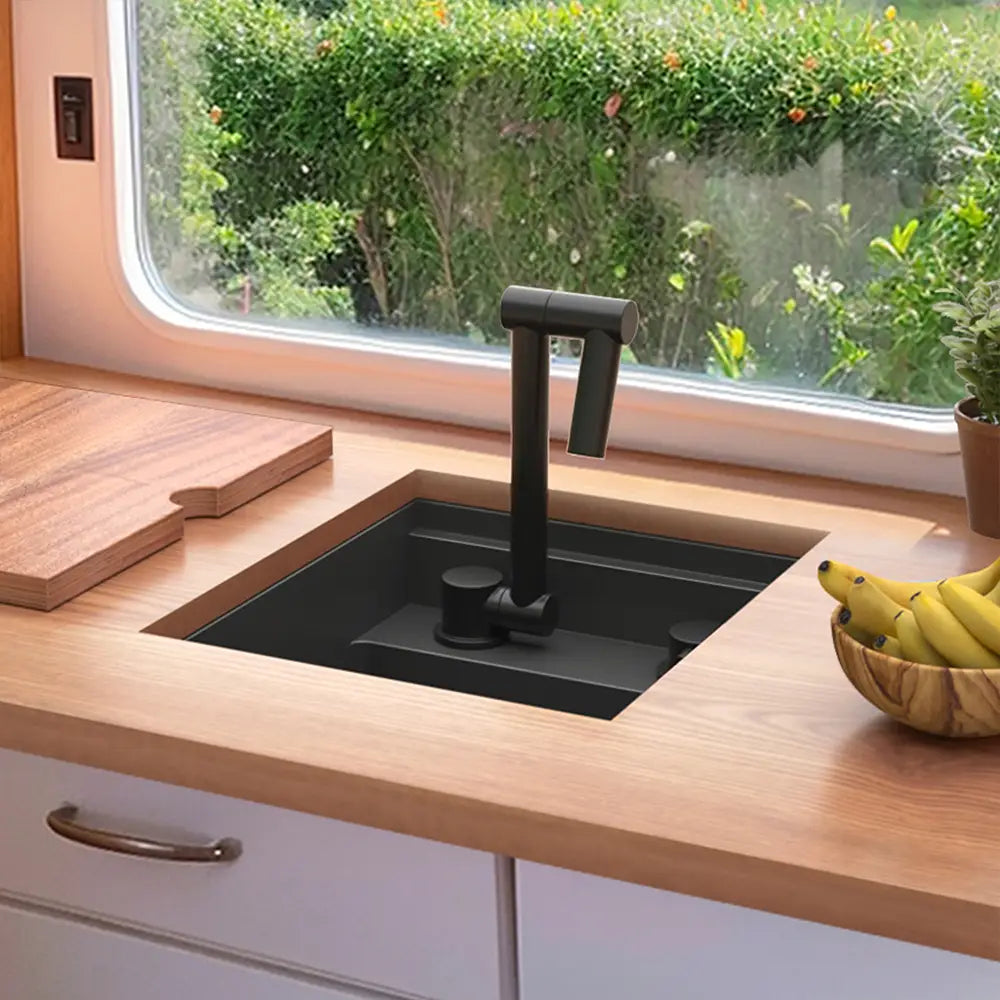
An outdoor prep cart can add work surface, storage, and a compact wash station to a patio, trailer, mobile setup, or outdoor kitchen. Choose one around how often it will move, where water and drainage are available, and how much prep and storage space the setup needs.
A prep cart is useful when an outdoor kitchen, patio, trailer, or mobile setup needs a dedicated place for washing, staging, or organizing tools. The decision should start with use case: occasional outdoor cooking, frequent grill prep, mobile event setup, or a compact utility station near a water source.
Look at usable surface area, shelf access, drawer or cabinet storage, and whether the cart can hold the items that normally clutter the cooking space. If a sink will be added or used nearby, confirm water access and drainage before choosing the cart footprint.
Mobility matters only if the cart will actually move. Check wheel size, locking capability, loaded weight, and the path between storage and use areas. For a fixed outdoor kitchen, a stable work surface may matter more than portability.
If the prep station includes or supports a sink, confirm counter cutout, bowl depth, faucet location, drain path, and access for cleaning. A sink can be valuable in an outdoor prep area, but it also introduces plumbing and maintenance considerations.
Outdoor environments expose a prep cart to moisture, temperature changes, sunlight, and frequent cleaning. Check the product’s intended use, care instructions, and storage requirements before choosing materials for the space.
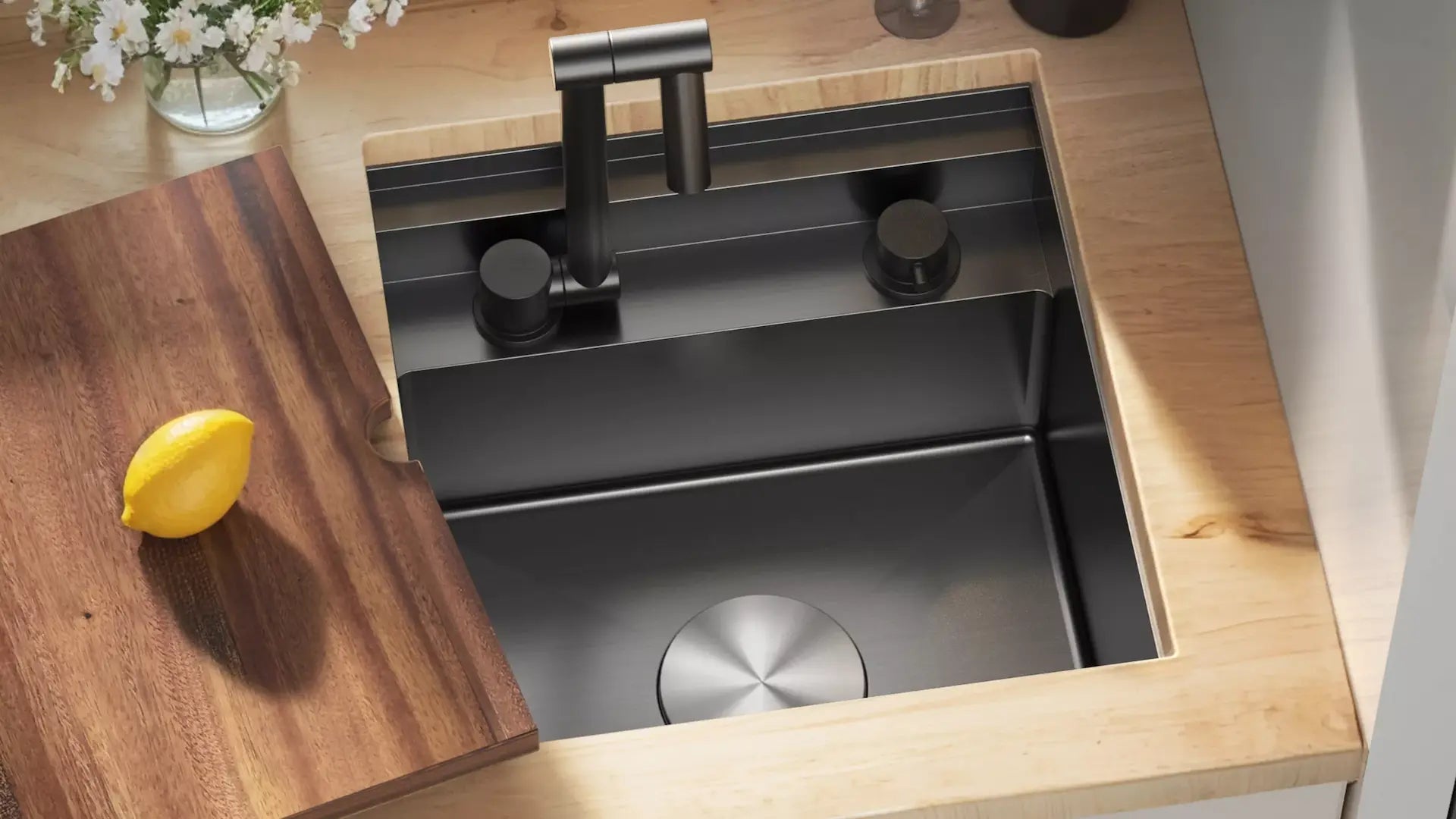 RV Sinks: Types, Materials, and Buying ConsiderationsRV sinks are chosen under different constraints than residential kitchen sinks. The available cabinet space is smaller, the plumbing path is tighter, and the sink often...Read guide
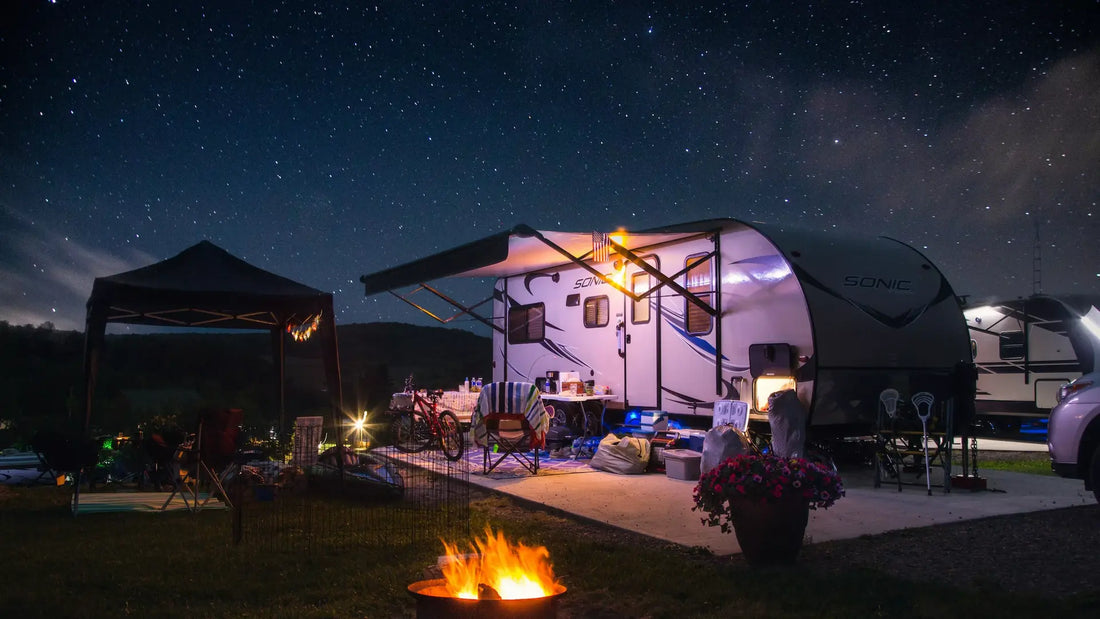 How to Choose a Sink and Faucet for Compact SpacesChoosing the right sink with faucet for compact spaces transforms how you use and enjoy your area. A well-selected combination enhances functionality while maintaining a stylish...Read guide
 Van Sink Space Planning GuideHaving a fully functional RV van can excite your journey, and one of the most crucial components to consider is your van sink space saving. Whether...Read guide
Starting from October our sinks no longer include the silicone pot mat accessory